
 EN
EN



Catalytic Converters for Solid Fuel Ovens: Reducing Emissions
Catalytic converters for solid fuel ovens can help control the undesirable emissions produced when food is cooked over fuels such as wood or charcoal. Cooking food over solid fuels is increasingly popular due to the aromas and flavours this creates. However, it also results in undesirable solid fuel cooking emissions which can cause serious problems, especially in the foodservice sector.
Generally, if food is cooked outdoors on grills, emissions are not a major consideration, and even if they are, it is difficult to do anything about them. However, it is a different matter when food is cooked in charcoal ovens, wood-fired pizza ovens or tandoori ovens. Because these have chimneys, the solid fuel cooking emissions are more concentrated and it becomes possible to abate them. Catalytic converters for solid fuel ovens provide one option for controlling these emissions.
Carbon Monoxide Risks in Restaurant Kitchens
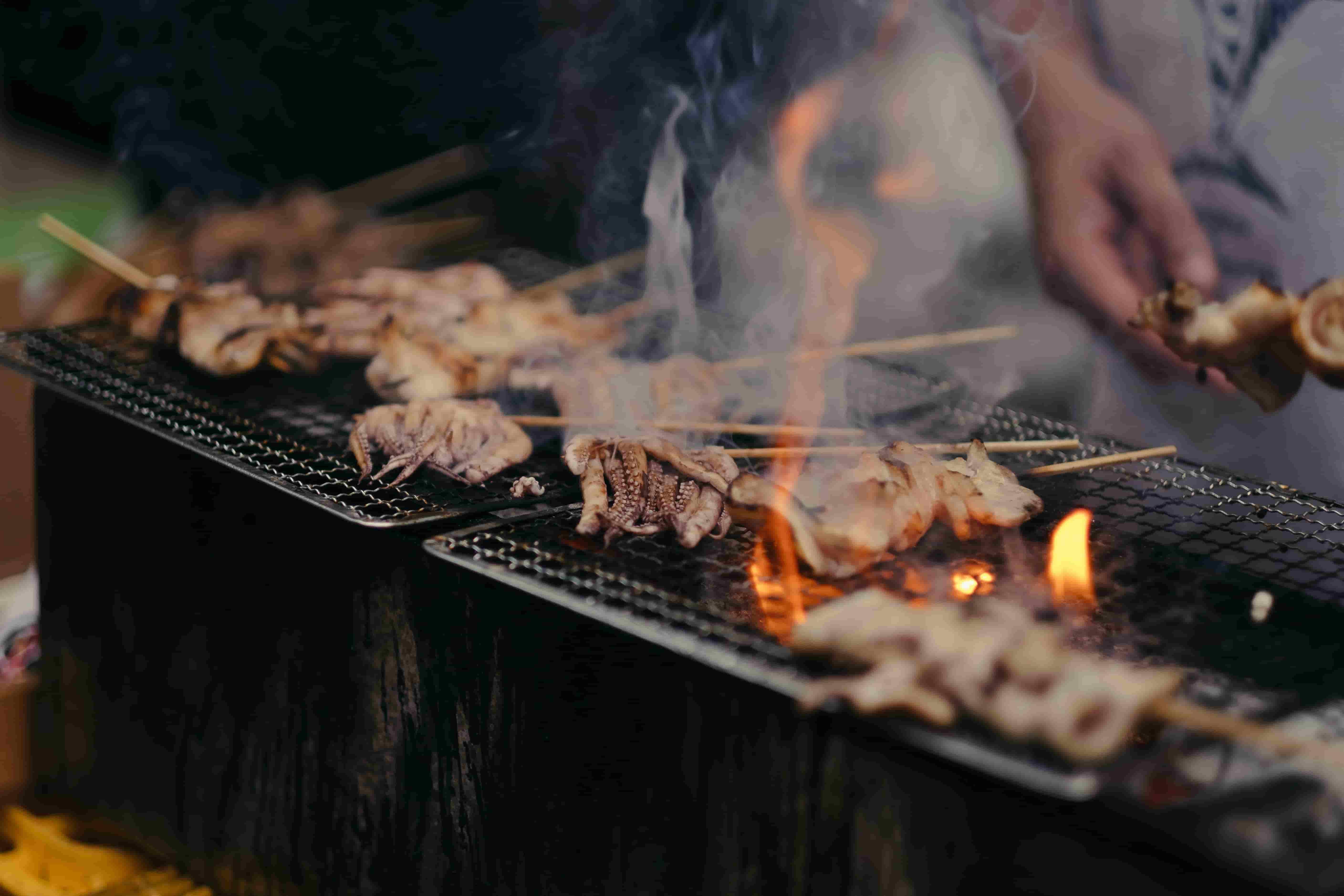
Carbon monoxide is produced whenever fuel is burned, but especially in situations where the air supply is restricted, such as in an oven. In charcoal ovens, it is necessary to restrict the air supply to the oven in order to prevent the charcoal from burning too quickly. This can result in the flue gas containing up to 50,000 parts per million (ppm) of carbon monoxide, whereas the safe limit indoors is around 30 ppm.
With a traditional design of charcoal oven, the flue vents directly into the restaurant kitchen, so even if there is a powerful extraction system operating, it is easy to exceed the safe limit. At low levels, carbon monoxide poisoning results in headaches, tiredness, nausea and impaired decision-making, not exactly ideal in a busy environment with many hazards such as hot surfaces, open flames and sharp knives. At higher concentrations, carbon monoxide poisoning is fatal.
For this reason, a catalytic converter for charcoal oven applications can be incorporated into the oven or its chimney to help reduce carbon monoxide emissions before they enter the surrounding environment.
Odours and Particulate Matter from Solid Fuel Ovens
Unlike carbon monoxide, which originates from the fuel used to cook the food, odours and particulate matter are emitted from both the fuel and the food being cooked. Although odours from cooking with solid fuel can seem pleasant to some people, to others they might be considered a nuisance. This may trigger a complaint to the local authority that issued the permit for the restaurant to operate.
Particulate matter consists of a range of substances, but in the case of solid fuel ovens, most of it is condensed grease and oils from the food, especially if this is meat. This can cause two problems: fouling of the ventilation system in the kitchen and visible smoke outside. The first increases maintenance requirements and can become a fire hazard, while the second can also lead to complaints from people who live or work near the establishment.
These solid fuel cooking emissions therefore need to be considered alongside carbon monoxide when selecting an appropriate abatement system. A catalytic converter for charcoal oven applications can help address several types of emissions from the same cooking process.
Controlling Solid Fuel Cooking Emissions
How can solid fuel cooking emissions be controlled? There are three main options: water baths, electrostatic precipitators and catalytic converters for solid fuel ovens.
Passing the smoke from a solid fuel oven through a water bath removes most odours and particulates and also has the advantage of extinguishing sparks, but has no effect on carbon monoxide. The downsides are that it takes up space and requires the regular disposal of dirty water. A tank full of warm water can also be a breeding ground for bacteria, including those responsible for Legionnaires’ disease.
Electrostatic precipitators are very effective at removing particulate matter, provided that they are positioned so that the flue gas has already cooled down significantly before it passes through them, but they have no effect on odours or carbon monoxide. The other drawbacks are that they are expensive and require regular maintenance.

How Catalytic Converters for Solid Fuel Ovens Convert Emissions
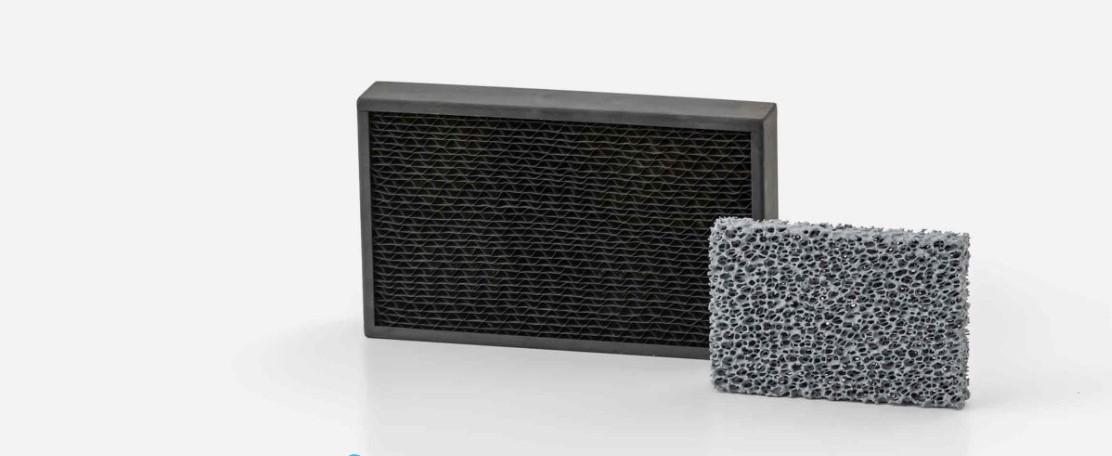
Catalytic converters for solid fuel ovens can reduce carbon monoxide, odours and particulate matter and, unlike the other options mentioned, require little or no maintenance. They are also by far the least expensive option. The only real drawback of catalytic converters is that they require a minimum operating temperature of about 200 °C. Therefore, they need to be incorporated either into the oven itself or into the chimney attached to the oven.
When considering catalytic ovens pros and cons, the operating temperature is particularly important. A catalytic converter for charcoal oven applications needs to be positioned where the required temperature can be maintained for the catalyst to work effectively.
Unlike the other options mentioned, catalytic converters do not just remove the undesirable emissions; they convert them into harmless substances. Carbon monoxide is converted into carbon dioxide, while odours and the substances which, when they cool down, will condense into particulates are converted into carbon dioxide and water. This is an important point and explains why catalytic converters need much less maintenance than the other options.
For restaurants using charcoal ovens, wood-fired pizza ovens or tandoori ovens, the most practical approach is to assess the emissions produced by the specific cooking equipment and choose an abatement system suited to those conditions. Where carbon monoxide, odours and particulate matter all need to be controlled, catalytic converters for solid fuel ovens can provide a compact, low-maintenance solution, provided they are installed where the required operating temperature can be maintained.