
 EN
EN



Drying Equipment for Efficient Industrial Cleaning
Drying equipment plays an important role in industrial cleaning processes where washed items need to be prepared for their next stage of use. An industrial washer and dryer can bring washing and drying together within one coordinated workflow, while a drying tunnel can provide a dedicated stage within a larger production line. Choosing the right solution requires consideration of the entire process, from the initial washing stage to the handling of clean items.
The ideal setup depends on the equipment being processed, production volumes, available space, and the way cleaned items move through the facility. Looking at these factors together can help manufacturers establish a more practical cleaning workflow and select technologies that correspond to their specific operating requirements.
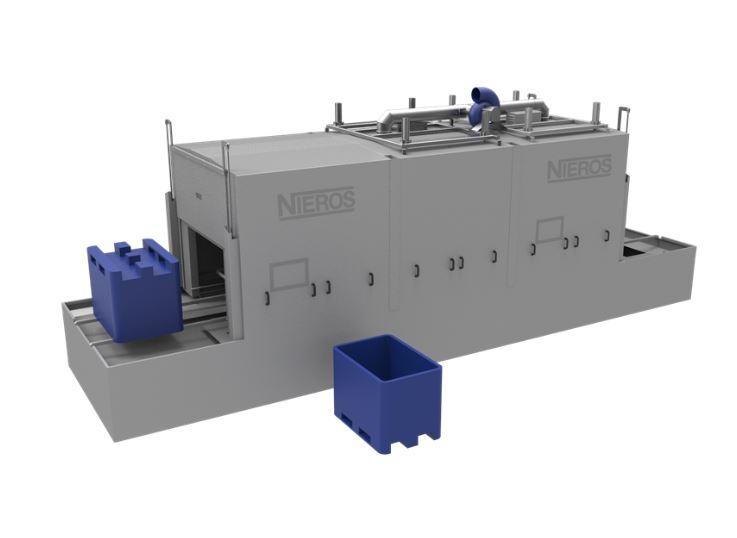
Planning Washing and Drying as One Process
In facilities where equipment is cleaned repeatedly throughout the day, washing and drying need to fit logically into the same production sequence. Once an item leaves the washer, it may need to move directly to another processing area, storage, or its next use. The choice of drying equipment can therefore influence how efficiently these subsequent steps are organized.
Production planning should take throughput, item dimensions, loading procedures, and available floor space into account. The movement of operators and equipment between individual stages is also worth considering. A well-planned arrangement can reduce unnecessary transfers and create a clearer path from washing to the point where clean equipment is ready for use.
Facilities processing different item formats may also need flexibility from their cleaning systems. Configurable equipment can make it easier to accommodate changing requirements and maintain a consistent process as production needs develop.
Factors to Consider When Selecting Drying Equipment
Choosing drying equipment involves more than determining how much residual water needs to be removed. The shape and size of the items, desired throughput, installation conditions, and position of the treatment stage within the production line can all influence the appropriate configuration.
Air distribution and adjustable operating parameters can be important when different items require different treatment. Construction materials and equipment protection should also be considered, particularly in environments where machinery is regularly exposed to water and cleaning processes.
Maintenance and accessibility are additional practical factors. Well-designed equipment should allow routine cleaning, inspection, and servicing to be carried out efficiently. These considerations become particularly important when water removal is performed frequently or forms part of a continuous production sequence.
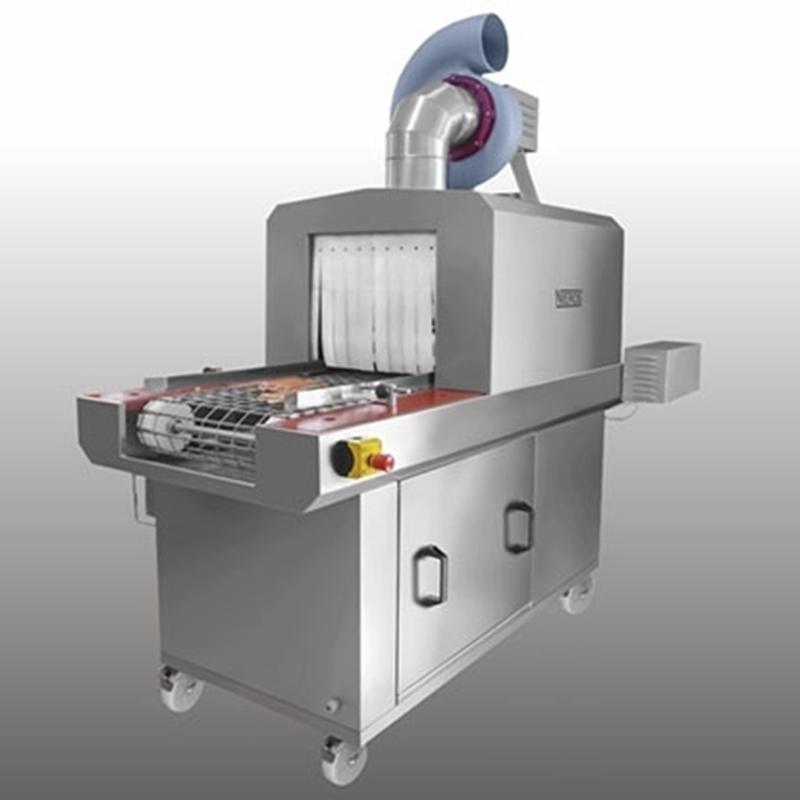
When a Drying Tunnel Fits the Process
A drying tunnel can be suitable when items need to move through a defined drying stage as part of an organized production line. Instead of moving individual items to a separate area, this configuration can provide a dedicated section through which cleaned equipment passes before continuing to the next stage.
This configuration can be useful where production volumes require a predictable flow. It can be positioned within the available line layout, with its configuration determined by the items being processed and the required capacity.
A drying tunnel is not necessarily the right choice for every facility. Lower-volume operations or applications with different handling requirements may benefit from other arrangements, while continuous processes can make better use of a dedicated tunnel-based treatment stage.
Integrating Washing and Drying into Production
An industrial washer and dryer does not necessarily refer to a single machine carrying out every cleaning function. It can also describe a coordinated system in which washing and drying units are designed to operate together. This approach gives manufacturers the option of developing a new line or connecting drying equipment to machinery that is already in place.
For companies considering an industrial washer and dryer, integration can help simplify the movement of equipment through the cleaning process. Washing, drying, loading, unloading, inspection, and onward handling can be considered as connected stages rather than unrelated operations.
The degree of integration can be adapted to the facility. Some manufacturers may require a standalone water removal stage following an existing washer, while others may benefit from a more comprehensive automated arrangement. A drying tunnel can consequently form one part of a broader production system.
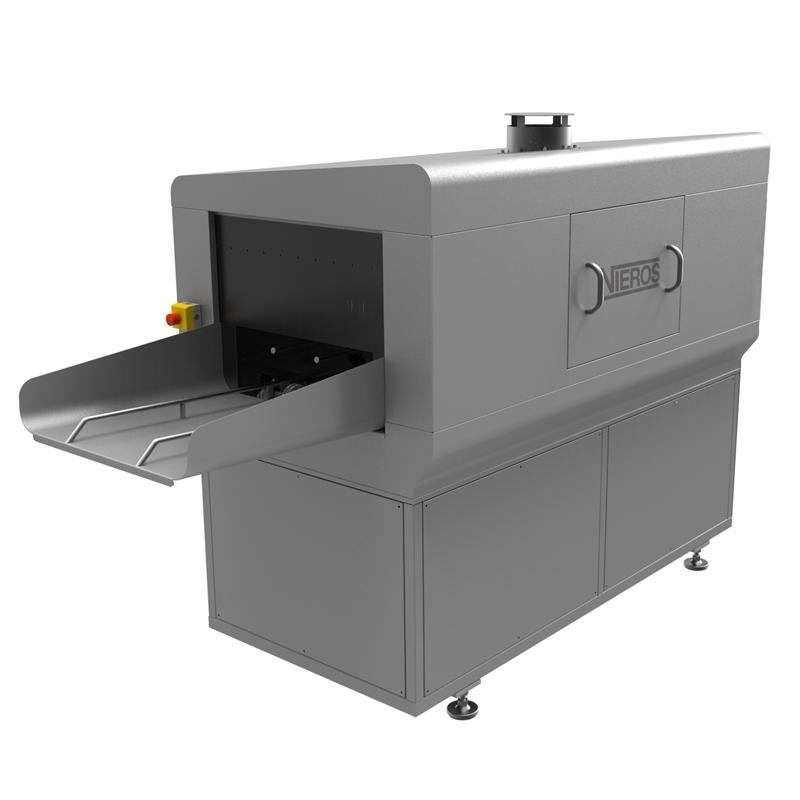
NIEROS Solutions for Industrial Cleaning Processes
NIEROS develops stainless-steel equipment and customer-specific solutions for industrial applications, allowing different stages of a cleaning process to be considered according to the equipment being processed, production conditions, and available space.
Depending on the application, drying equipment can operate as an individual process stage or be incorporated into a wider washing system. NIEROS also develops customized configurations for specific production requirements. For facilities considering an industrial washer and dryer, this approach makes it possible to plan washing and water removal around the actual workflow rather than treating either stage as an isolated process.
A solution can therefore be developed around factors such as item characteristics, production capacity, and facility layout. Where continuous movement through the cleaning line is required, a dedicated drying stage may provide an appropriate configuration.
The final choice of industrial washer and dryer technology should reflect the complete production process, from loading and washing through water removal and onward handling.. With appropriately selected equipment, manufacturers can create a cleaning workflow that supports their current operations while allowing greater flexibility as production requirements evolve.