
 EN
EN



Hand Wash Station with Customizable Operational Parameters
A hand wash station combines the strict hygiene requirements of a facility or industry with its operational realities. To ensure consistency, it can be customized for high personnel throughput, offer controlled access and height-adjustable features, incorporate automation, and support simple maintenance. A successful automatic hand washer withstands demanding environments, accommodates staff needs, supports the production rate, and makes the correct disinfection procedure practical to follow. The NIEROS® industrial hand washing station combines hygienic design with controlled washing procedures to help facilities meet HACCP, IFS, and NSF requirements.
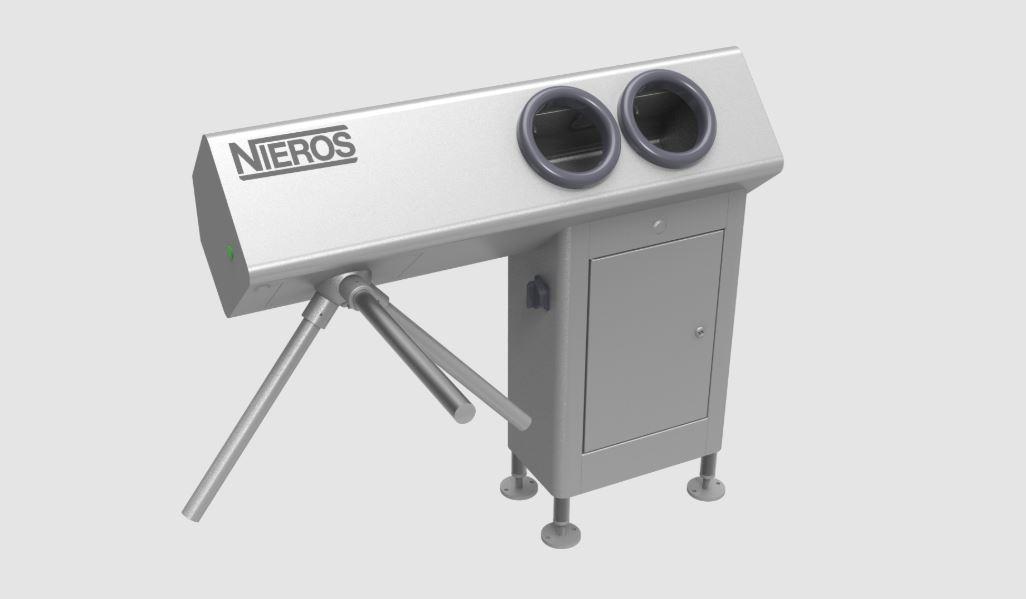
NIEROS® Automatic Hand Washer: Designed for Real-World Conditions
An industrial hand washing station is customized to meet the specific conditions of a facility. Facilities differ in the number of personnel, disinfection requirements, available space, and operational processes. NIEROS® develops state-of-the-art solutions that can be integrated into existing production processes. These solutions combine advanced engineering, stainless steel construction, automation, and ergonomic design to ensure that the equipment becomes a reliable part of daily operations.
A hygiene system can be technically excellent and still fail operationally if it slows down staff, creates bottlenecks, or is difficult to use correctly. Consistency is paramount in real manufacturing and production plants, so it is crucial that a hand wash station becomes a practical and required part of the physical workflow. Automation, such as automatic dosing and digitally operated controls, decreases unnecessary delays and helps maintain continuous personnel movement. Unique features and tailored designs allow the equipment to be incorporated into a facility's existing infrastructure.
UDK Hand Stations Are Engineered for Operational Reliability
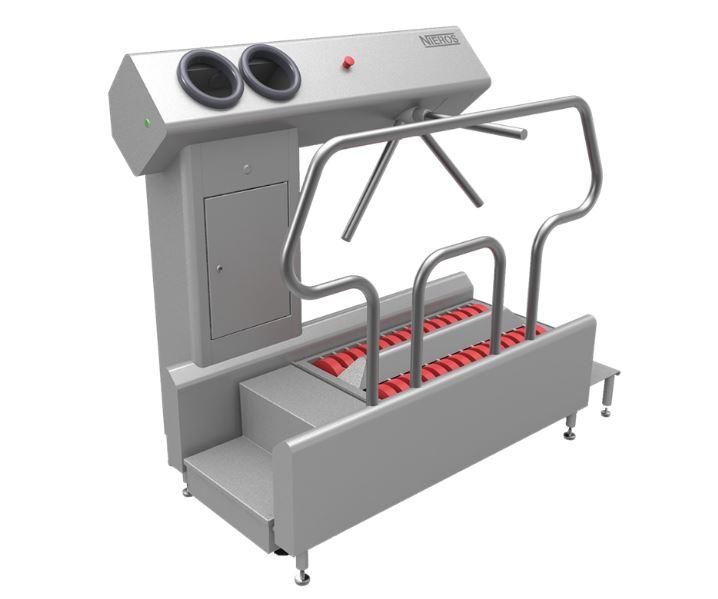
The UDK automatic hand washer is a highly efficient, quick-to-operate, and cost-effective solution. It has a high operating capacity, allowing 10 to 15 staff members to pass through the entry point per minute. The machine has an automatic disinfection unit, a footwear sanitization basin with a drip-off zone, and a turnstile-controlled passage. Rubber protectors and an illuminated sanitization chamber further support contamination control in the food-processing industry.
The UDK is height-adjustable and fully digitally operated, featuring a hygienic design with stainless steel nozzles for the sanitizing agent and a sandblasted finish. For optimal results, a hand wash station can be connected to a centralized chemical supply or personal card readers. To meet stringent quality requirements and support compliance with HACCP, IFS, and NSF standards, the machinery is custom-made according to the specific needs of the facility.
Hand Hygiene Stations Support HACCP, IFS, and NSF Standards
An automatic hand washer must comply with rigorous HACCP, IFS, and NSF requirements. HACCP, or Hazard Analysis and Critical Control Point, is a preventive food safety system that identifies hazards and establishes controls to reduce food safety risks. NIEROS® addresses these risks by engineering equipment that turns HACCP procedures into a controlled process. Special features include automatic dosing of soap and sanitizing agents, as well as turnstile-controlled access. The result is a stronger connection between hazard identification, preventive action, and employee behavior.
The company also supports IFS requirements, which demand that the unit be located at access points to and within production areas. This type of configuration establishes a clearly defined barrier between lower-risk areas and controlled production zones. Where procedures demand a higher standard of cleanliness, IFS requires hands-free disinfection and hand drying. NSF standards focus on hygienic equipment design, construction, materials, and performance, making construction an important consideration for an industrial hand washing station.
Industrial Hand Washing Station with a Footwear Cleaning Unit
An automatic hand washer is often integrated with a footwear cleaning machine to support comprehensive disinfection. Shoes can carry dirt, organic matter, and contaminants from one area to another, while uncontrolled movement between areas can increase the risk of cross-contamination. These risks can be reduced with a comprehensive system that combines hand cleanliness, footwear cleaning, and access management. This means one station provides three connected controls: the first addresses the hands, the second addresses footwear, and the third controls access.
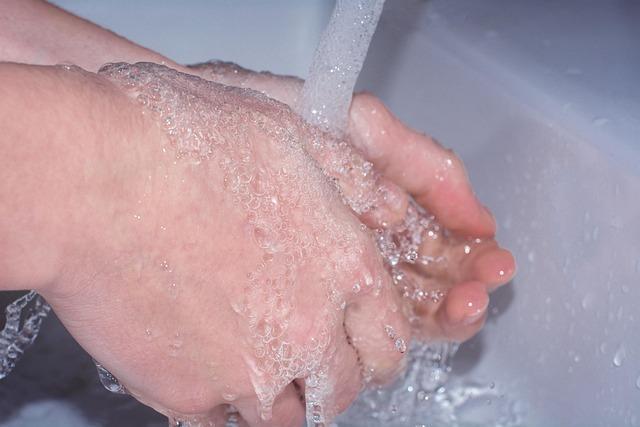
Combining all three solutions in one hand wash station helps implement strict sanitation protocols by guiding personnel through a sequence of soaping, rinsing under running water, drying, and hand disinfection. Different models can also control exit routes, accommodate different workforce sizes, and integrate with additional access technologies such as personal card readers. This creates consistency, standardizes procedures, and prevents unnecessary delays or complicated operating steps.
A Hand Wash Station Improves Factory Entry Traceability
An industrial hand washing station is placed at essential control points where personnel enter controlled production areas. Advanced solutions can improve factory entry traceability by turning disinfection procedures into a controlled, repeatable entry process. By creating unique and tailored equipment that can also connect to personal card readers, engineers establish an additional link between hygiene procedures and individual identification. Traceability creates a reliable record of personnel movement through controlled production areas and is particularly important in hygiene-sensitive facilities.
A NIEROS® hand wash station guarantees controlled entry by granting access after the required hand cleaning or disinfection process has been completed. Personal identification strengthens traceability because the system can associate access with a specific staff member. This gives manufacturers greater potential to integrate hygiene access into their existing personnel access-control infrastructure. The result is reduced contamination risk, stronger support for regulatory compliance, and consistently high hygiene standards in industrial environments.