
 EN
EN



Industrial Hygiene Equipment for Consistent Hygiene Standards
Industrial hygiene equipment helps facilities maintain high sanitation standards. An effective workplace hygiene strategy for a high-demand environment combines clear procedures with solutions that support them at production speed. Before implementation, businesses should define traffic patterns, as these determine how personnel, materials, and equipment move through a facility, with each route influencing cleanliness.
Customized equipment is often the best choice for a company. NIEROS® solutions combine hand washing, hand disinfection, footwear cleaning, footwear sanitization, and controlled access to support seamless, high-volume production workflows. Its hygiene station ensures that disinfection is predictable, efficient, and manageable.
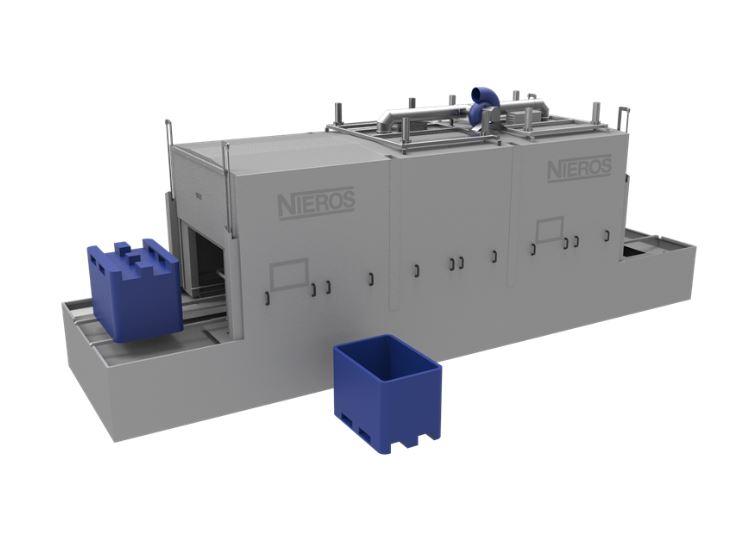
Disinfecting Units Support Effective Workplace Hygiene
Industrial hygiene equipment integrates hygiene controls directly into production workflows. It helps businesses establish controlled sanitation points, standardize cleaning procedures, and manage high personnel throughput. One of the most effective hygiene strategies is controlling how staff enter sensitive production areas. Controlled entry points with turnstile-controlled passages establish a physical sequence that supports the required protocol. Combining hand and footwear disinfection simplifies procedures while enhancing zoning.
Automation provides repeatable parameters, reduces variation between staff members, and helps facilities maintain a defined cleaning cycle. An automated hygiene station ensures consistent results during repeated cycles while supporting cleanliness strategies that fit seamlessly into production planning. By designing disinfecting protocols around personnel flow, facilities can guarantee a controlled transition and greater operational consistency.
How Traffic Patterns Influence Hygiene Station Placement
Workplace hygiene is critical, especially in industrial environments such as pharmaceutical and food-processing facilities. Every movement of staff, contractors, materials, transport, and machinery creates opportunities for contaminants to move between areas. The position of disinfecting machinery therefore needs to be determined by contamination risks, traffic flow, and the way staff actually move through a facility. The first step in planning is to understand where personnel move, how frequently they move, and what contamination risks are associated with each area.
Once these factors are established, disinfecting units should be placed at all critical entry points. Traffic flow should determine the position of industrial hygiene equipment, as its effectiveness also depends on accessibility. Strategic positioning reduces unnecessary movement and makes hand washing part of the normal workflow. Before installing hand-washing machines, business managers should study existing traffic patterns and identify high-traffic, high-risk routes. The apparatuses should be placed where personnel move between areas, particularly along high-frequency personnel routes.
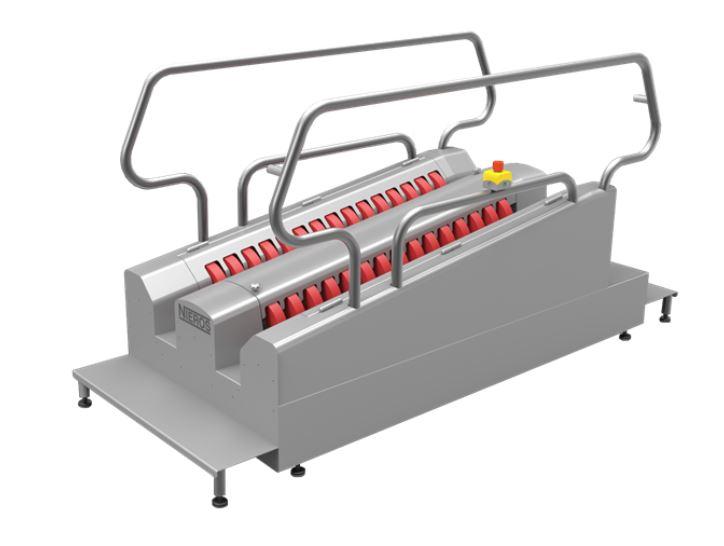
Workplace Hygiene for HACCP, IFS, and NSF Compliance
A hygiene station is designed to encourage staff to use it properly while minimizing unnecessary resource use. To ensure proper sanitation standards, NIEROS® solutions include stations, industrial hand wash basins, accessories, and dryers that are customized to fit the facility. Customization guarantees optimal control, allows simple management of the technical aspects of the process, and creates a smoother workflow. A well-planned and controlled hand-washing and disinfection process uses a motorized turnstile passage that allows entrance only when hands and shoes are properly clean.
The stations can be self-standing, floor- or wall-mounted, and sensor- or knee-operated. An industrial hygiene equipment solution works as a modular unit, combining multiple functions in one. Every solution is produced in-house from high-quality stainless steel. These systems offer various functions and accessories, further improving the user experience and enhancing hygiene efficiency.
Highly Efficient Stainless Steel Hygiene Unit URK
The URK industrial hygiene equipment is made of DIN 1.4571 (AISI 316L), DIN 1.4404 (AISI 316Ti), or other stainless steel upon request. Stainless steel is a popular material for harsh environments because it offers excellent mechanical strength, thermal stability, and chemical resistance. Its corrosion resistance supports consistent performance and longevity in humid, high-temperature settings, while its hygienic surface properties and smooth finish help prevent microbial growth. This durable material also complies with relevant regulations and standards, is cost-efficient, and supports sustainable operation.
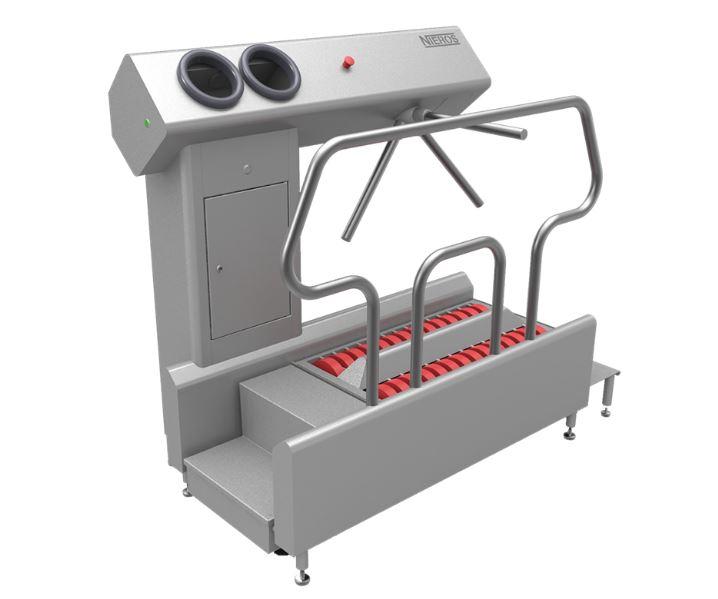
The sanitizing station is designed for production lines with limited space. It features an automatic disinfection unit, a walk-through footwear brush cleaner, and a turnstile-controlled passage. With an illuminated sanitization chamber, digital operation, and height adjustability, it can allow ten to fifteen people to pass through the entry point per minute. It also offers a diverse range of add-on units that can be combined with the basic version.
Why an Effective Hygiene Station Matters in Industrial Facilities
Workplace hygiene is often underestimated, especially in industrial settings. Failure to maintain proper standards may result in interrupted production, triggered recalls, damaged customer trust, and significant financial losses. To prevent cross-contamination, most facilities invest in machinery, automation, and quality control systems that standardize hand washing and ensure operational performance and regulatory compliance.
Businesses sometimes underestimate investment in industrial hygiene equipment because hand cleaning itself appears inexpensive. In reality, inadequate cleanliness can become far more costly than preventive measures. A cleaner work environment is an investment in both personnel and productivity.