
 EN
EN



Tool Sterilizer Equipment for Demanding Food Processing Environments
A tool sterilizer is an important part of hygiene management in food-processing facilities where knives, saws, and other production tools are used regularly. A dedicated sterilizer machine gives operators a practical way to incorporate tool sanitation into everyday production, helping maintain a controlled approach to equipment hygiene. For larger or more demanding operations, an industrial sterilizer can provide a solution designed around the facility’s capacity, workflow, and specific production requirements.
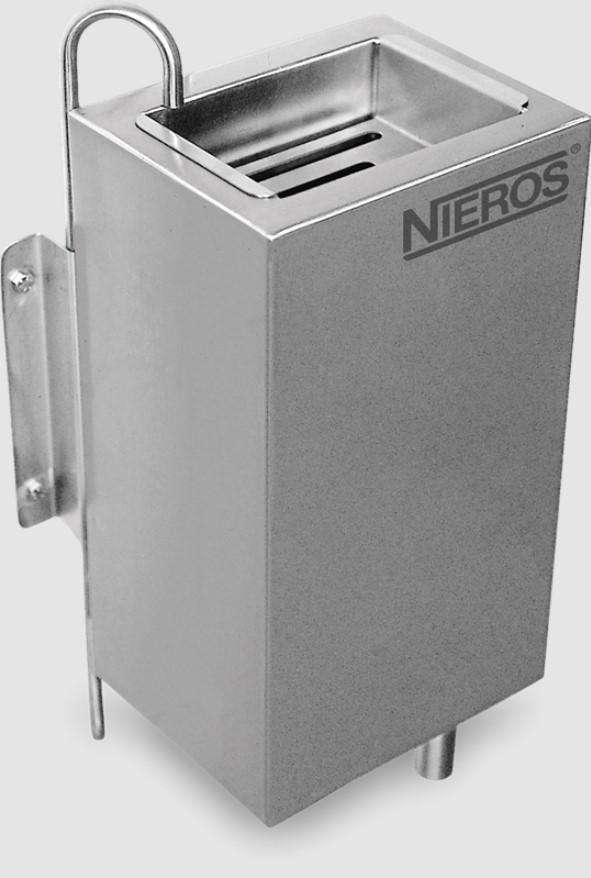
Why a Dedicated Tool Sterilizer Makes a Difference
Food-processing facilities work under demanding conditions where equipment must withstand frequent use while remaining suitable for a hygienic environment. A purpose-built tool sterilizer creates a defined point in the workflow for sanitation instead of leaving operators to rely on improvised arrangements or equipment that was not designed for production use.
This becomes especially relevant in larger facilities, where hygiene procedures need to work alongside established production schedules. Equipment that is easy to operate and positioned appropriately can help make sanitation more straightforward for personnel. Rather than treating tool hygiene as an isolated task, production managers can incorporate it into the overall movement of equipment through the facility.
A sterilizer machine can also be selected according to the particular demands of the workplace. The right solution may depend on the tools being processed, available floor space, production volume, and the way employees move between different work areas. These considerations are important because equipment that works well in one facility may not be equally suitable for another.
A Sterilizer Machine Built for the Conditions of Food Production
Material selection is one of the first things to consider when choosing an industrial sterilizer. Equipment used in food-processing environments needs surfaces and construction that can withstand demanding operating conditions while supporting regular cleaning. NIEROS uses stainless steel extensively across its industrial equipment, with DIN 1.4301 (AISI 304) used for products such as its saw, knife, and axe sterilizers.
The design of the equipment is just as relevant as the material itself. NIEROS develops equipment with hygienic construction, practical operation, and durability in mind, while features can be adapted according to the application. Its broader hygiene equipment range includes options such as different stainless-steel grades, custom configurations, and other modifications according to individual requirements.
For food manufacturers, this approach can be particularly valuable because hygiene equipment becomes part of the production environment rather than an afterthought. A tool sterilizer should occupy its intended place within the facility, remain accessible to operators, and work alongside the surrounding equipment without creating unnecessary obstacles.
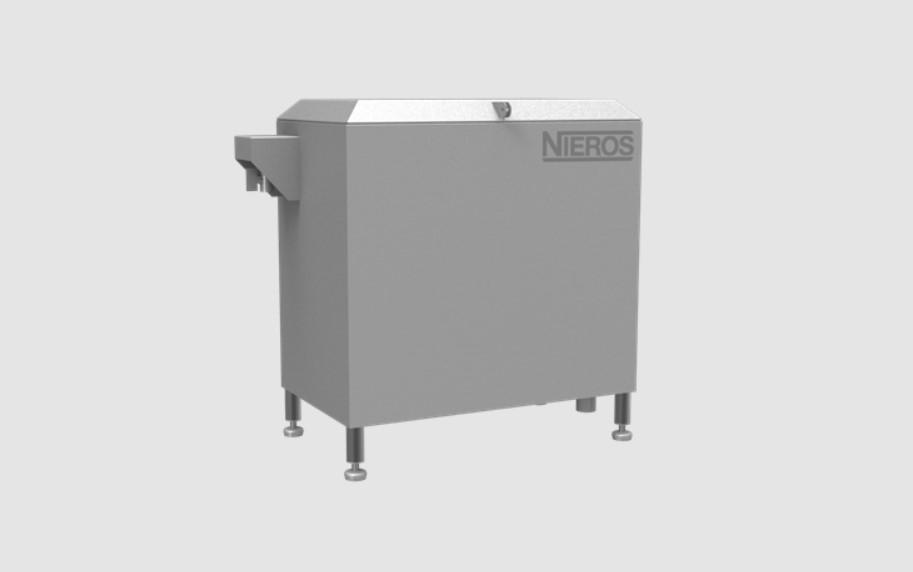
Industrial Sterilizer Customization Starts With the Production Process
Not every production facility has the same layout, capacity, or operational sequence. A compact processing room may require a very different solution from a large production plant with several interconnected work areas. This is why customization can be more useful than simply selecting a standard machine based on its basic specifications.
NIEROS develops customized industrial sterilizer equipment and food-processing systems around individual production requirements. The company states that its solutions can address constraints related to productivity, time, and available space, while its in-house manufacturing capabilities allow equipment to be adapted to specific customer needs.
This philosophy also applies when selecting a sterilizer machine. The objective is not simply to install a piece of equipment that performs a particular function, but to find a configuration that makes sense within the complete production process. Dimensions, access, positioning, materials, and additional options can all become relevant when designing a solution around a particular facility.
NIEROS Engineering for Individual Requirements
Choosing an industrial sterilizer from an experienced manufacturer provides an opportunity to look beyond the basic function of the equipment. NIEROS is a global designer and manufacturer of stainless-steel industrial products, combining in-house production, research and development, and customer-specific engineering. Its hygiene equipment can be adapted with different stainless-steel grades, built-in configurations, additional components, and completely custom-made versions when standard solutions do not suit a particular production environment.
This flexible approach is also reflected in NIEROS sterilization solutions for cutting equipment. The Knife Basket Sterilizer MK is intended for knives and knife baskets, while the Saw, Knife and Axe Sterilizer MB and MBS accommodates knives, small axes, and saws. These different configurations demonstrate how equipment can be selected and adapted according to the specific requirements of each production process.
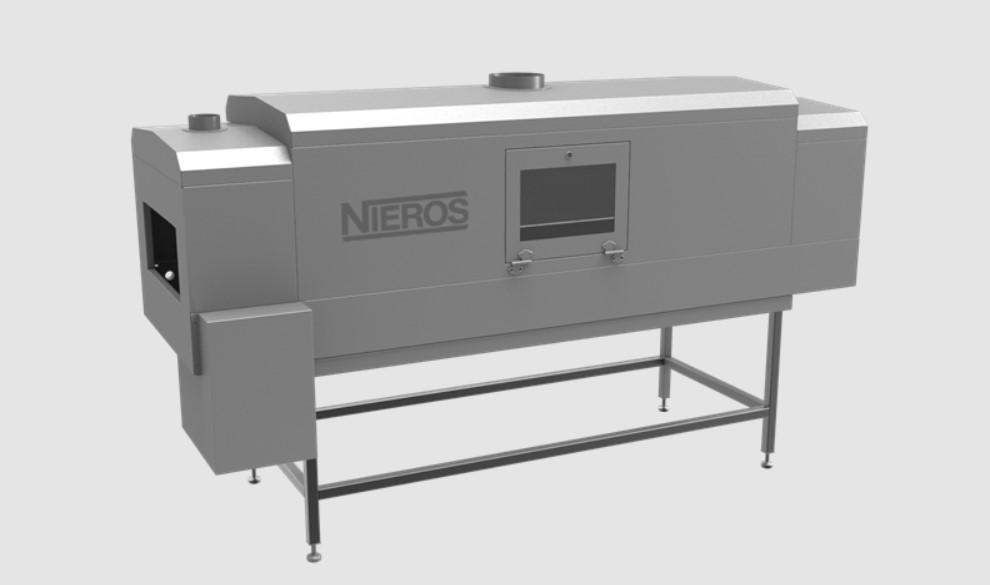
A Long-Term Approach to Equipment Hygiene
Investing in a tool sterilizer is ultimately about creating a more suitable working environment for an ongoing production process. Equipment needs to perform reliably, withstand regular use, and fit the hygiene procedures already established within the facility. When its design is considered alongside the layout and requirements of the production area, sanitation can become a more organized part of everyday operations.
NIEROS brings these considerations together through stainless-steel manufacturing, hygienic equipment design, in-house production, and customized solutions. Its broader food-processing systems are developed around specific product flows, production capacities, and facility constraints, with the aim of creating coordinated solutions rather than isolated pieces of equipment.
For companies looking beyond a standard sterilizer machine, this combination of manufacturing expertise and flexibility can make a meaningful difference. A tool sterilizer developed around the actual requirements of the facility can provide the functionality needed today while fitting into the wider production concept for the long term.