
 EN
EN



Workplace Hygiene: Personnel Hygiene Solutions for Industrial Facilities
Workplace hygiene plays an important role in protecting personnel and controlling contamination in industrial facilities. Its effectiveness depends on clear requirements, suitable facilities, and consistent employee practices. Well-designed personnel sanitation systems can make hand cleaning and disinfection a practical part of the working day, particularly in manufacturing environments where employees move between different areas.
A dedicated hygiene station gives employees a defined location for hand washing, disinfection, footwear cleaning, and other required steps before entering controlled production areas. When these facilities are integrated into the workflow, hygiene procedures become easier to follow consistently, while automated functions can reduce manual supervision.
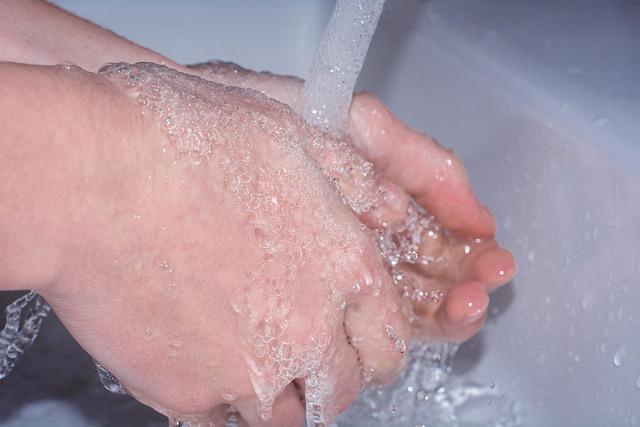
Workplace Hygiene and Effective Workflow
Industrial facilities need to consider personnel movement between different working areas when establishing cleaning and disinfection requirements. Employees may enter production areas from changing rooms, storage areas, external spaces, or other sections of the facility, potentially carrying contaminants with them. Clearly defined cleaning and disinfection points help reduce this risk and create a controlled transition between different areas.
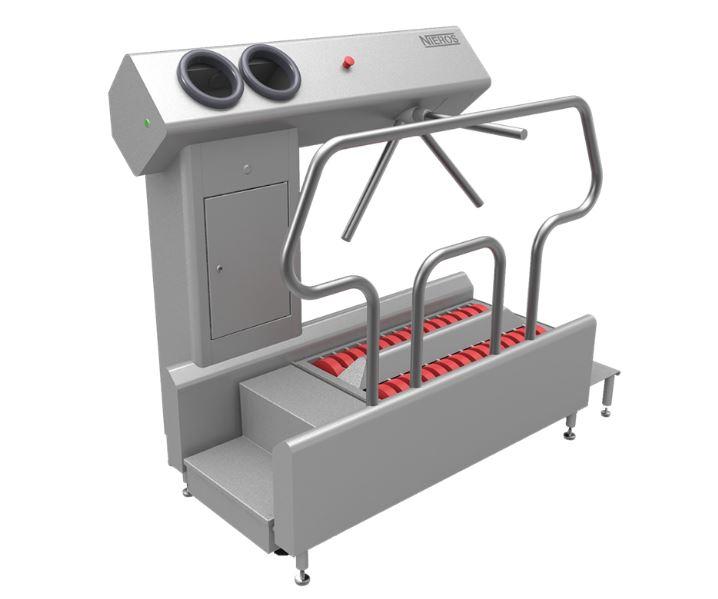
A hygiene station can combine several functions within one controlled passage. Depending on facility requirements, it can include hand washing, soap dosing, hand disinfection, hand drying, footwear cleaning, and turnstile-controlled access. This allows employees to complete the required steps in a defined sequence before entering a controlled production environment.
How a Hygiene Station Supports Effective Personnel Practices
A personnel station can be adapted to the size, layout, and operational requirements of an industrial facility. The number of washing places, passage lanes, footwear cleaning units, and access-control features can be selected according to workforce size and personnel flow.
For workplace hygiene to remain effective, personnel need to use the equipment efficiently without creating unnecessary queues or disrupting production. Automated dosing, sensor-operated functions, and digital controls can help standardize the process, while stainless steel construction, accessible surfaces, and effective drainage support reliable operation.
Hygiene Procedures Should Become Part of the Daily Workflow
Effective hygiene procedures should not depend solely on employees remembering every required step. When cleaning and disinfection are built directly into personnel flow, employees can complete the necessary actions as part of their normal transition into the production area.
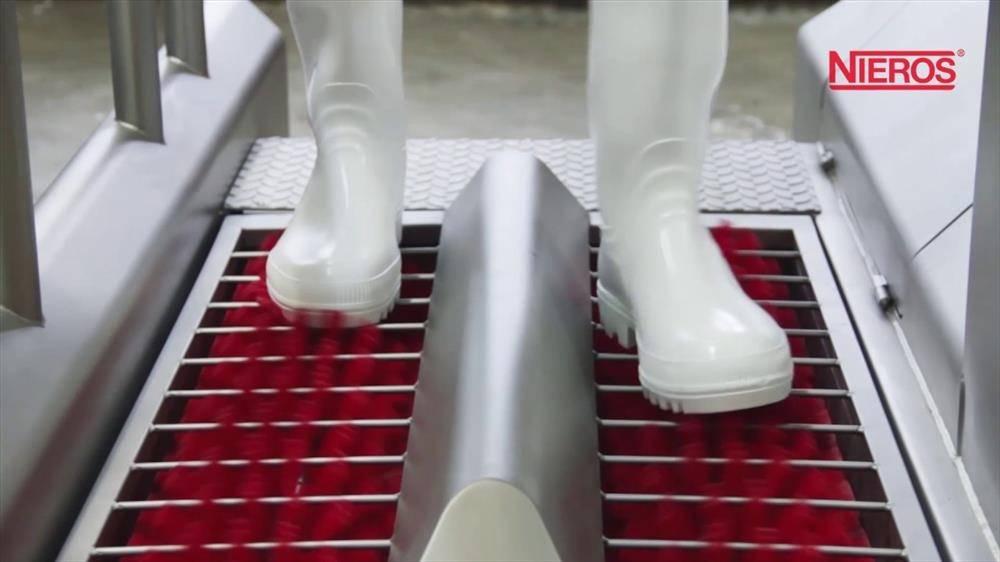
Automated systems can guide personnel through individual stages and ensure that required actions are completed before access is granted. Turnstiles can prevent entry until the process has been completed, while automatic dosing systems can deliver controlled quantities of soap or disinfectant. Footwear cleaning can also be integrated into the same system. Depending on facility requirements, employees may need to clean their footwear as well as their hands before entering controlled areas.
Designing Personnel Solutions Around Personnel Flow
Workplace hygiene is closely connected to how personnel move through a facility. A station positioned in the wrong location can create congestion, encourage shortcuts, or make the required process inconvenient. Its location should therefore be considered alongside changing rooms, production entrances, exits, and the expected direction of personnel movement.
Personnel sanitation solutions can be customized to accommodate different layouts and workforce sizes. Smaller facilities may require a compact configuration, while large production plants may need multiple washing places, several passage lanes, and separate entry and exit routes. Modular designs provide additional flexibility when production volumes or layouts change.
A well-planned hygiene station can contribute to efficient personnel movement. Instead of requiring employees to visit several locations for hand washing, disinfection, footwear cleaning, and access control, multiple functions can be integrated into one system.
Supporting Personnel Practices Through Automated Systems
Automation can make workplace hygiene easier to maintain in facilities with a large number of employees. Manual supervision of every person entering a production area requires significant time and can still leave room for inconsistent practices. Automated equipment can take over selected control functions and make required actions part of the entry process.
Sensor-controlled washing and disinfection, automatic dosing, hand-drying functions, and turnstile-controlled access can work together as one system. Personal card readers can provide an additional layer of access management where individual identification is required. These features allow required hygiene procedures to become more structured without unnecessarily slowing personnel movement.
The right equipment should also support employees throughout the process. Clear positioning of washing points, intuitive operation, appropriate height, and sufficient capacity can make the required actions easier to complete correctly.
Choosing a Hygiene Solution for Long-Term Use
Selecting a hygiene station requires more than considering the number of washing places or available functions. Facilities should evaluate personnel numbers, production flow, available floor space, cleaning requirements, applicable standards, and the level of automation needed. These factors help determine whether a configuration can support the facility over the long term while remaining practical for everyday use.
A station that creates bottlenecks or requires complicated manual operation may make it more difficult for employees to follow the intended process, while an appropriately configured solution can become a natural part of the daily workflow.
A properly designed personnel station provides a defined transition between different working areas and gives employees the facilities needed to complete required cleaning and disinfection steps. When equipment, personnel flow, and hygiene procedures are considered together, workplace hygiene becomes a more consistent and manageable part of everyday industrial operations.