
 EN
EN



Hygiene Technologies for Personnel and Equipment in Industrial Facilities
Hygiene technologies play an important role in controlling contamination across industrial facilities. Effective sanitation depends not only on how personnel clean their hands and footwear, but also on how production equipment, tools, containers, and other surfaces are cleaned. For this reason, modern hygiene solutions address both personnel and production processes, creating controlled procedures that fit the layout, workforce, and operational requirements of each facility.
Personnel-focused products can include hand-washing stations, hand disinfection units, footwear cleaning machines, and controlled access systems. At the same time, equipment hygiene requires dedicated solutions for cleaning production equipment and components. When these systems are designed to work together, facilities can establish more consistent sanitation procedures and reduce the risk of contaminants moving between different areas.
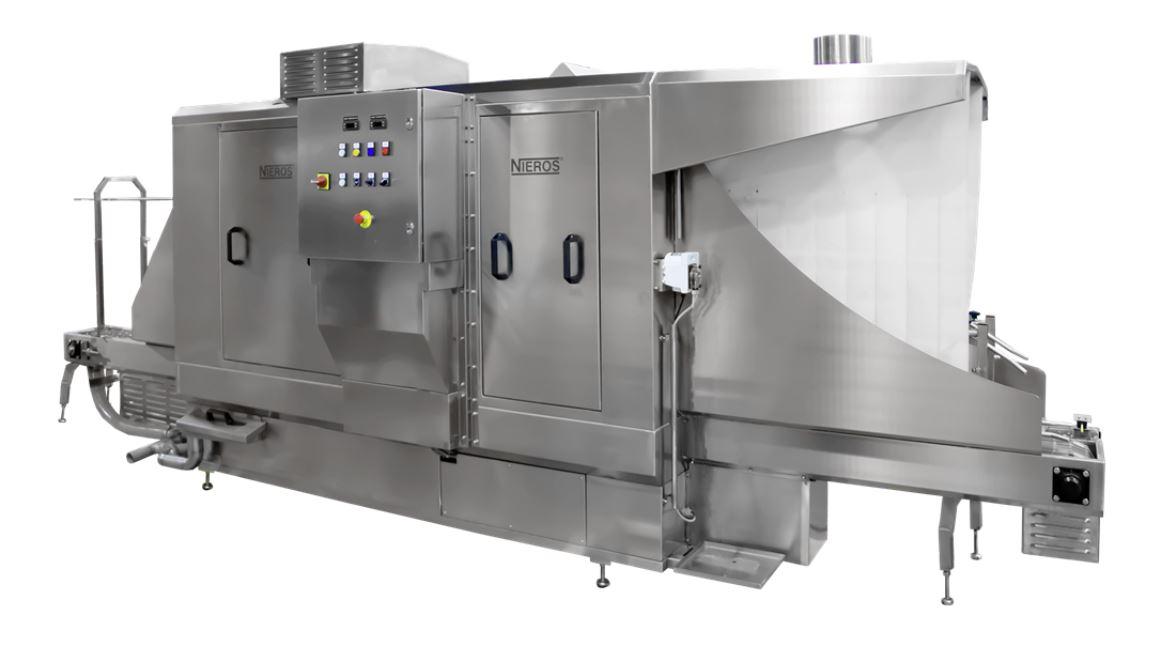
Hygiene Technologies for Personnel Hygiene
Personnel are an important part of any contamination-control strategy because employees can unintentionally transfer contaminants between work areas. Hygiene technologies can help make the required cleaning and disinfection procedures a practical part of the production workflow rather than relying entirely on manual supervision.
Industrial hand-washing stations can provide controlled access to washing facilities at important entry points. Depending on the application, these units can include automatic soap dosing, water control, hand disinfection, hand drying, turnstile-controlled access, and personal identification systems. Footwear cleaning equipment can complement these functions by removing contaminants from boots before personnel enter controlled production areas.
NIEROS® develops hygiene solutions for different workforce sizes and facility layouts. Systems can be configured with different numbers of washing places, passage lanes, footwear brushes, drying functions, and access-control features. This makes it possible to adapt personnel sanitation equipment to the actual flow of people through a facility instead of forcing the production process to accommodate a standardized configuration.
Equipment Hygiene Requires Specialized Cleaning Solutions
Personnel are not the only potential source of contamination. Production equipment, tools, containers, and processing components can accumulate residues and contaminants during operation, which means equipment hygiene must be addressed as part of the overall sanitation process.
Equipment cleaning solutions can be designed around the shape, size, material, and intended use of individual production components. Cleaning stations, washing systems, and other specialized equipment can help standardize procedures and make recurring cleaning tasks easier to perform. Stainless steel construction, accessible surfaces, appropriate drainage, and carefully selected components can further support effective cleaning and maintenance.
The requirements for equipment hygiene vary considerably between industries. Food-processing plants, pharmaceutical facilities, and other controlled production environments can have different contamination risks and sanitation procedures. As a result, the appropriate solution depends on the production process, the equipment being cleaned, the required cleaning frequency, and the standards applicable to the facility.
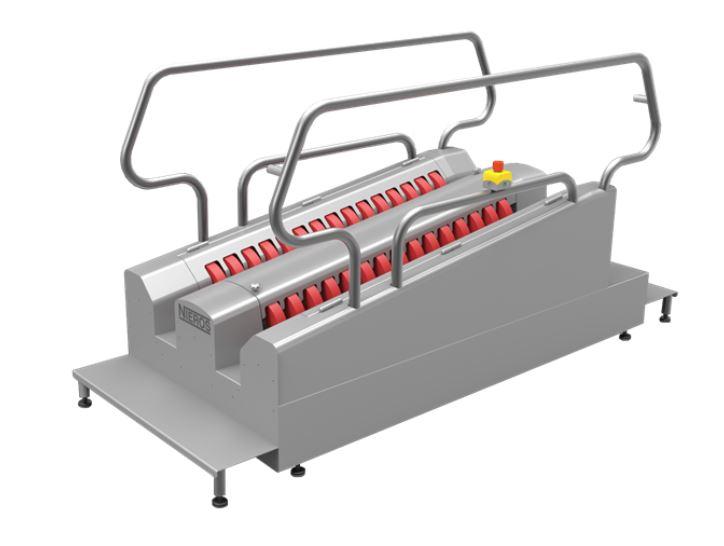
Combining Equipment and Personnel Hygiene Solutions
The strongest sanitation strategy does not treat personnel and equipment as completely separate concerns. Instead, hygiene solutions can connect different stages of the production process, from personnel entry and footwear cleaning to the cleaning of machinery and production components.
A facility may therefore use hand-washing stations and footwear cleaning units at controlled entry points while using dedicated washing equipment for production components elsewhere in the plant. Each system serves a different purpose, but together they establish a more comprehensive approach to contamination control.
This combination also helps facilities organize sanitation procedures around specific risk points. Personnel can be required to complete defined cleaning steps before entering controlled areas, while production equipment can be cleaned according to established procedures after use or between production cycles. Clear separation of these processes can make responsibilities easier to define and reduce the likelihood of missed cleaning steps.
Why Equipment Design Matters for Industrial Sanitation
The effectiveness of hygiene technologies depends heavily on how well the equipment is designed for its intended environment. Industrial facilities often require solutions that withstand frequent operation, exposure to water and cleaning agents, continuous use, and demanding production conditions.
Materials are therefore an important consideration. Stainless steel is widely used in industrial sanitation equipment because it offers durability, corrosion resistance, and surfaces that can be cleaned effectively. Design details also matter. Properly finished welds, accessible surfaces, effective drainage, and the absence of unnecessary gaps or difficult-to-reach areas can make routine cleaning more manageable.
Automation can further improve consistency. Sensor-operated equipment, automatic dosing, digitally controlled functions, and guided cleaning sequences can reduce unnecessary manual intervention. Automated washing or cleaning processes can help standardize recurring procedures, while automated personnel stations can guide employees through the required steps before they enter controlled areas.
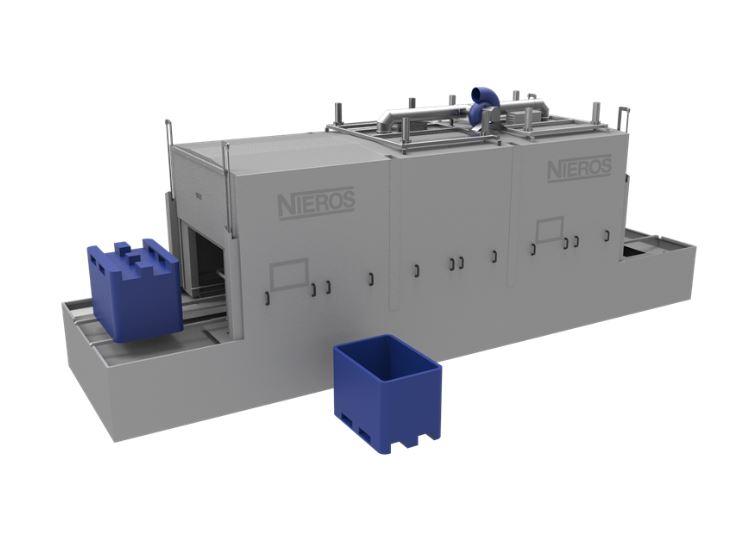
Tailored Solutions for Modern Production Facilities
No two industrial facilities have exactly the same requirements. Workforce size, production volume, available floor space, equipment configuration, contamination risks, and applicable standards all influence the selection of sanitation equipment. hygiene technologies therefore need to be adapted to the specific application rather than selected solely according to general specifications.
NIEROS® offers equipment for both personnel and production environments. Its portfolio includes personnel-focused solutions such as hand-washing and disinfection stations, footwear cleaning equipment, and access-control systems, as well as solutions designed to support equipment hygiene. These products can be configured according to the needs of different production areas and integrated into existing workflows.
The combination of personnel-focused products and equipment-focused systems allows facilities to address contamination risks at multiple points. Rather than relying on a single intervention, manufacturers can establish controlled procedures for personnel movement, footwear cleaning, hand disinfection, and production equipment cleaning. This integrated approach supports consistent sanitation practices while allowing the equipment to be adapted as operational requirements change.
Well-designed hygiene technologies ultimately provide more than individual pieces of equipment. They form part of a broader contamination-control strategy in which personnel, production equipment, facility layout, and operational procedures work together. By selecting appropriate hygiene solutions, industrial facilities can create more controlled, efficient, and reliable sanitation processes.