
 EN
EN



Tunnel Dryer for Efficient Industrial Drying After Washing
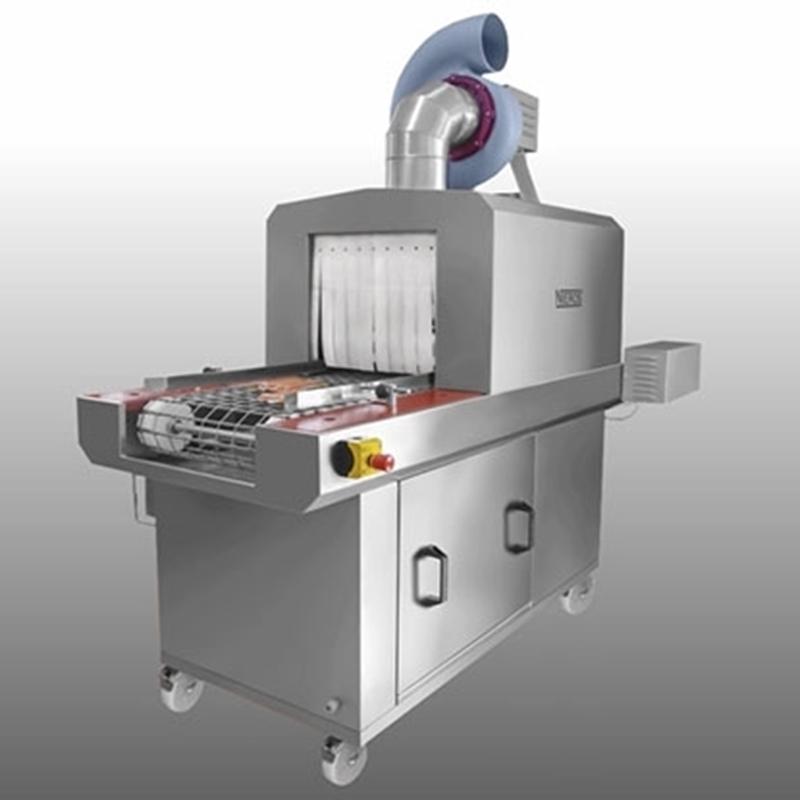
A tunnel dryer provides a controlled way to remove residual water from equipment and reusable items after washing. In industrial environments, reliable drying equipment can help containers, bins, and other items move efficiently from washing to the next stage of production or handling. A drying tunnel for crates can similarly provide a dedicated drying stage for reusable containers that need to be ready for further use. Depending on the application, drying can operate as an independent process or as part of a larger washing system.
Why Industrial Drying Matters After Washing
Washing removes dirt, residues, and other contaminants, but it can leave water on surfaces, inside recesses, and around structural elements. If equipment is required for further processing or handling, waiting for it to dry naturally can interrupt the workflow. A dedicated drying stage provides a controlled way to remove residual moisture before items continue through the production process.
Requirements vary depending on the items being handled. Stainless steel containers, Euro bins, crates, and other reusable equipment have different shapes and dimensions that can influence the drying process. Effective drying equipment therefore needs to provide sufficient airflow while allowing the process to be adapted to the application.
For some applications, washing can be followed by rinsing with hot water before drying. NIEROS, for example, specifies rinsing items with water at approximately 85 °C before drying in its IBC Drying Tunnel ABT IBC.
How a Tunnel Dryer Removes Residual Water
A tunnel dryer uses directed airflow to accelerate the removal of water from items passing through the system. Instead of relying on uncontrolled passive drying, the drying stage directs air toward surfaces and areas where residual water remains.
Air nozzles and their arrangement are important parts of this process. By directing accelerated air toward the items, the system can support consistent drying as containers and other equipment move through the drying area. For a drying tunnel for crates, the airflow can be directed toward the surfaces where water is most likely to remain after washing. The configuration of the tunnel dryer can be adapted according to the application, item dimensions, and required production capacity.
This approach is particularly useful for facilities that process reusable equipment regularly. When washing and drying form part of a repeatable production cycle, a controlled drying stage can create a more organized transition between process steps.
Choosing Drying Equipment for Different Applications
The right drying equipment depends on more than simply removing water. Manufacturers also need to consider the type and dimensions of the items, required throughput, available installation space, and whether the drying stage needs to connect with other equipment.
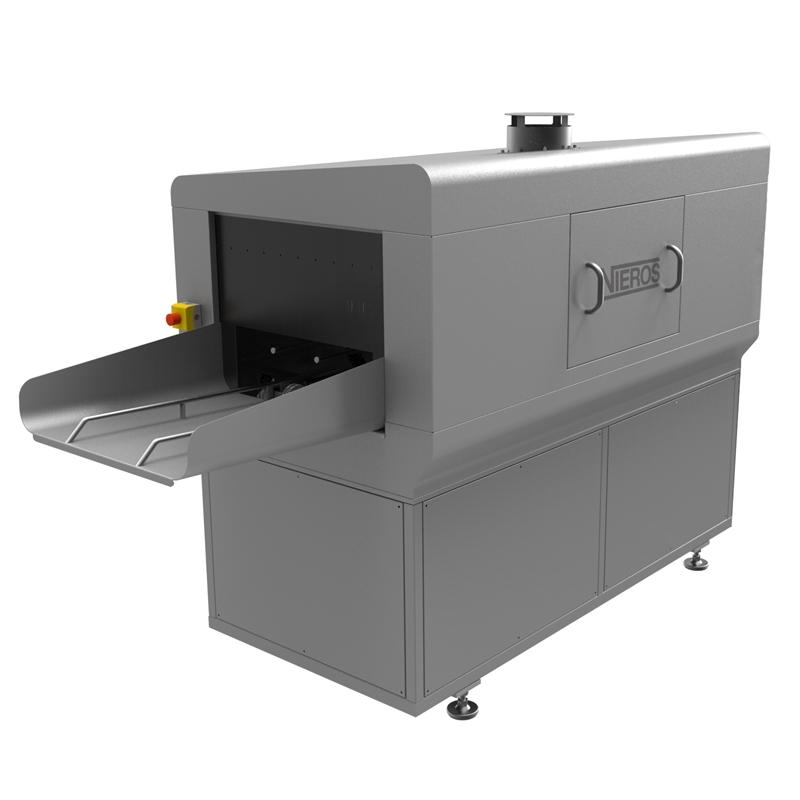
For example, systems handling large metal containers may require a different configuration from systems processing smaller reusable crates. Adjustable drying parameters can provide greater flexibility, while height adjustment and modular construction can help accommodate different installation conditions.
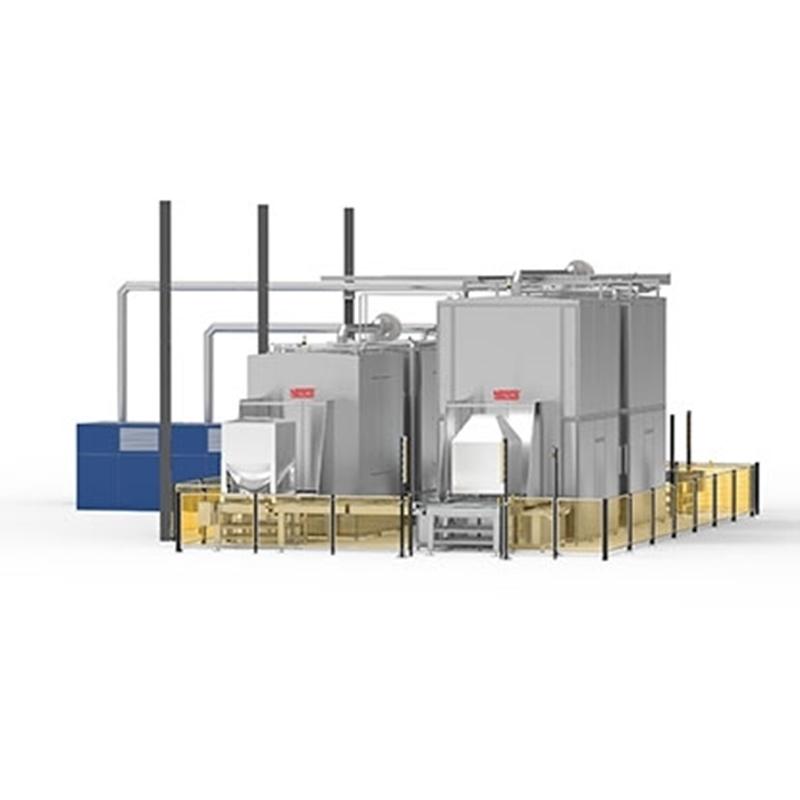
A tunnel dryer can operate as a standalone unit or be incorporated into a larger cleaning line. Integration can create a more continuous sequence from washing and rinsing to drying, while a separate installation can provide a dedicated drying stage for facilities that already have washing equipment.
Drying Tunnel for Crates and Reusable Containers
A drying tunnel for crates can be useful in facilities where reusable containers are washed and returned to circulation regularly. Crates and Euro stacking containers can retain water after washing, making a controlled blow-off or drying stage useful before they are handled, stored, or returned to production.
The drying tunnel for crates should correspond to the type of containers being processed and the required throughput. Different equipment configurations may therefore be appropriate for different applications rather than relying on one standard machine.
NIEROS offers several drying equipment solutions for industrial drying applications. The IBC Drying Tunnel ABT IBC is designed for stainless steel IBCs, Euro bins, and other metal items and uses accelerated air through a dedicated air-nozzle system. It can operate as a separate unit or be integrated into a NIEROS washing system, with capacities of up to 50 items per hour and maximum item dimensions of 1380 × 1160 × 1680 mm.
For applications involving crates and Euro stacking containers, NIEROS also offers the Blow-off Machine ABT B. These different solutions allow the equipment to correspond more closely to the type of items being processed and the requirements of the production environment.
Flexible Industrial Drying Solutions From NIEROS
Industrial facilities do not always have identical layouts or production requirements, making flexibility an important consideration when selecting a drying system. NIEROS develops stainless-steel equipment with configurations that can be adapted to individual applications, including customer-specific engineering and custom-made solutions.
The company combines in-house development and manufacturing with experience across food processing, pharmaceutical, chemical, agricultural, and other industrial sectors. This allows drying solutions to be considered as part of a wider production workflow rather than as isolated equipment.
Depending on the application, a tunnel dryer can form part of a complete washing and drying process or operate independently. Whether the requirement involves IBCs, Euro bins, crates, or other metal items, the appropriate drying solution can be configured around the items being processed, available space, and desired workflow.